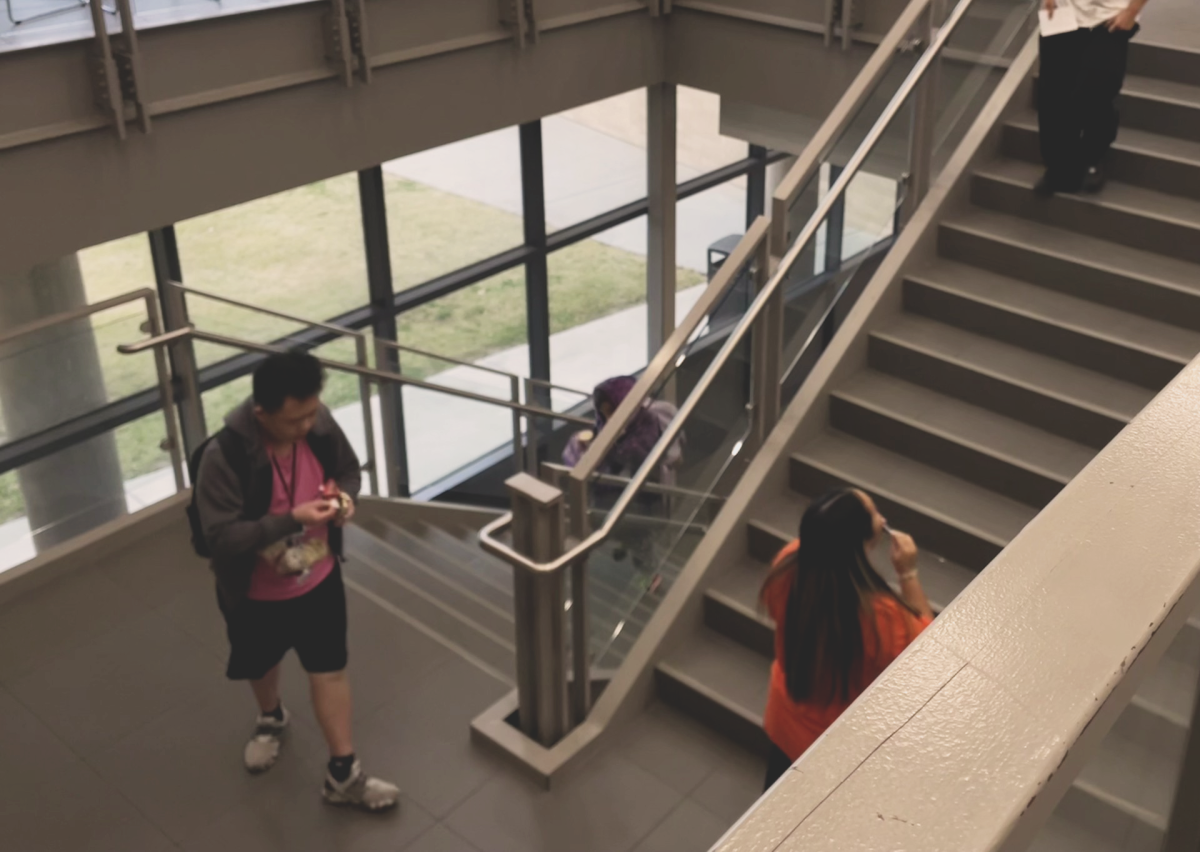
Many students this year were frustrated with the change of no movement during the Seminar period. In previous years, travel was available for students to get additional help they needed. With the closure, many students felt it important to address their concerns, most notably during a previous Town Hall meeting with Principal Dr. Connie Redic in attendance.
“There were students that were very involved and vocal about how dramatic the change was to know Seminar was closed, and how that was affecting their opportunities to make up assignments, grades and other stuff,” Redic said.
After consideration, the administration decided to make travel available on Thursdays and Fridays. The large majority of our student body have said they appreciate the administration’s willingness to listen to student input and make adjustments when appropriate.
“I feel really glad that it [Seminar] is open again,” Arsy Checchi (10) said. “I feel like it’s better to have that opportunity open for students to do the things they need to do and get their grades up.”
“Students don’t always have time outside of school to make up work, so
students are definitely taking advantage of it. I know in my class, they’re coming in making up quizzes and tests,” psychology teacher Todd Sigwing said.
The decision to bring back travel was heavily influenced by students, as they are given opportunities to address concerns and issues during Town Halls, over surveys, and personal communications.
“I do believe our voices were heard,” Junior Class President Ray Roberts (11) said. “I think a lot of us within the council, the town hall, and in our grades really worked hard to get that open and available.”
Seminar attendance percentages have been below district standards for the past several years, leading to the initial closure. While this year’s attendance has improved compared to last year, there is still room for improvement. Administrators are attempting to find a solution to improve data, but also one that wouldn’t negatively impact the majority of students.
“I wanted to be able to consider a compromise that was healthy for my data, but also one that was healthy for students,” Redic said. “While I’m worried about district data, I also have to be worried about my student experience. I wanted to couple those together.”